
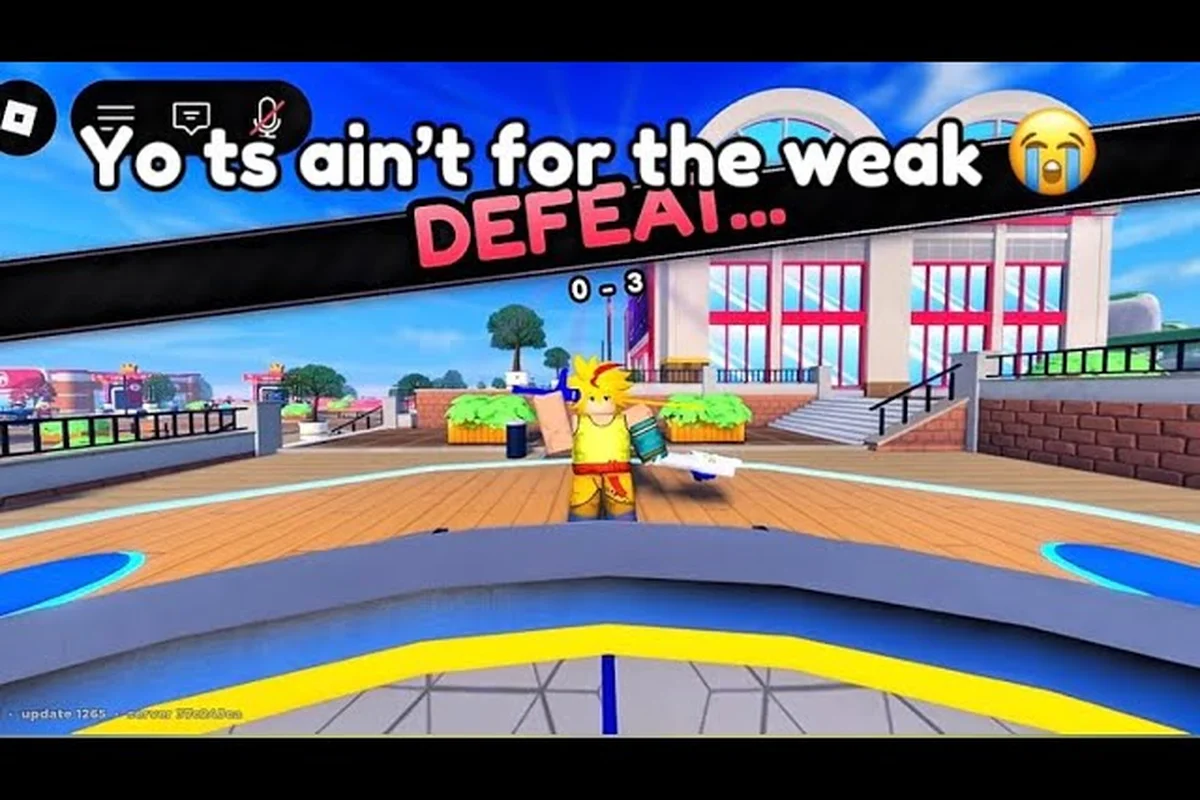
The Bey Rivals arena is where every build you tune finally gets tested, and knowing how a 1v1 duel actually resolves is the fastest way to stop losing winnable matches. This guide breaks down burst timing, ranked ladder habits, and the leaderboard mindset that separates climbers from spinners who stall out.
How the Bey Rivals Arena Decides a Winner
Every clash inside the Bey Rivals arena follows the same physics whether you queue into a live opponent or grind an NPC challenge. Two tops drop, spin, and collide until one of three things happens: a Bey burst-pops, a Bey gets knocked out of the ring, or one Bey simply outlasts the other. The last top still spinning takes the round, and that single rule shapes every decision you make before and during a launch.
Because the win condition is survival rather than damage, the arena rewards patience as much as aggression. Community guides consistently point out that new players over-launch, dumping all their spin strength into the first second and then watching a Stamina build coast to victory. Understanding the resolution order matters, so here is how each outcome is typically triggered.
| Outcome | What Triggers It | Who Usually Wins the Exchange |
|---|---|---|
| Burst pop | Repeated high-impact hits crack the opposing layer | Attack-type Beys with strong contact points |
| Ring-out | A heavy knockback pushes the Bey past the arena wall | Attack or Balance builds with burst knockback |
| Last spin standing | Stamina drains slower on one side over time | Stamina and Defense builds |
The practical takeaway is that you should read your opponent's Bey type before the launch, not after. If you see an Attack build across from you, expect early pressure and plan to survive it. If you see Stamina, you need to force contact rather than let the match become a slow drain race.
Reading the Blader Screen Before You Launch
The pre-match screen shows both Beys, and that brief window is your only free information. According to community reports, experienced players use it to decide launch strength and angle rather than defaulting to a full-power release every time. A full-power launch gives you early spin speed but leaves less control, while a softer, angled release can set up a defensive posture against a charging opponent.
This is also where your loadout choice pays off. A build that looked great in solo practice can fall apart against a specific type matchup, which is why the Bey Rivals battles explained guide walks through launch mechanics in more detail. The arena itself does not change between modes, so everything you learn in a casual duel transfers directly into ranked play.
Bey Rivals 1v1 Duel Tactics That Actually Work
A Bey Rivals 1v1 is the purest test of your build and your launch discipline, because there is no teammate to cover a bad decision. The duel format strips away distractions and forces you to win with timing, matchup knowledge, and a loadout that fits your playstyle. Most losses at this level come from three repeatable mistakes rather than raw stat gaps.
The first mistake is launching at maximum strength against a Defense or Stamina opponent. You burn your early advantage and hand them the long game. The second is ignoring the burst window — when an Attack Bey charges, there is a moment where a well-timed counter-launch or a defensive driver can flip the exchange entirely. The third is refusing to adapt between rounds, running the same launch pattern even after it clearly failed.
| Duel Mistake | Why It Costs You | Fix |
|---|---|---|
| Max-power launch every round | Feeds Stamina builds a free win | Vary strength by opponent type |
| Ignoring the burst window | Lets Attack builds land free pops | Counter-launch or switch to defense |
| Never adapting | Opponent reads your pattern | Change angle and timing each round |
Attack, Defense, Stamina, and Balance in a Duel
The four part types define how a duel plays out. Attack Beys pressure fast and hunt for a burst or ring-out, which means they want short, violent exchanges. Defense Beys absorb hits and wait for the opponent to tire, so they thrive when you cannot finish quickly. Stamina Beys win by outlasting everything, and Balance Beys sit in the middle, trading a bit of every stat for flexibility.
Matchup logic is the confirmed framework here, and community tips build on top of it. An Attack build facing a Stamina build needs to force contact early or it loses the drain race. A Stamina build facing Defense can stall into a near-endless grind, which is why many players avoid that pairing in ranked. If you want a deeper look at which parts perform best in each role, the meta Bey rankings break down the current top picks by tier.
Bey Rivals Burst Timing and Counter Play
The Bey Rivals burst mechanic is the single most misunderstood part of arena combat. A burst is not random damage — it is the result of accumulated impact on a Bey's layer, and it happens when that pressure crosses a threshold. Attack-type Beys are built to reach that threshold, but any build can burst if it takes enough clean hits in a short window.
Timing your counter is what separates a good duelist from a great one. When an opponent commits to a charge, they are briefly locked into that motion, and that is your opening. A counter-launch at the right moment or a defensive driver that redirects the impact can turn their burst attempt into your ring-out. Players who master this window often win matchups that look unfavorable on paper.
| Burst Scenario | Opponent Action | Your Best Response |
|---|---|---|
| Attack Bey charges | Commits to a high-impact hit | Counter-launch or defensive driver |
| You are low on spin | Opponent presses advantage | Angle away and preserve stamina |
| Both Beys near the wall | Either can ring-out | Control your position, avoid the edge |
Why Patches Change the Burst Meta
Bey Rivals launched in the October 2026 window, and the developers have already shipped balance patches that touched ring-out and burst behavior around launch. That means the effective combos shift with each update, and a build that dominated last week can feel different after a patch. Community data suggests the meta moves quickly because frequent patches and event codes keep reshuffling what works.
The smart response is to treat your loadout as a living setup rather than a finished product. Re-test your main build after every patch, watch for changes to burst thresholds and knockback, and keep a backup Bey tuned for a different matchup. This habit alone keeps you from falling behind players who adapt faster.
Climbing the Bey Rivals Ranked Ladder
Ranked mode uses a ladder that rewards consistent wins, and the climb is less about one spectacular build and more about validated decisions repeated over many matches. A Bey Rivals ranked run punishes random loadouts because you face opponents who have already solved their own builds. The players who climb steadily are the ones who treat every loss as data.
The core principle is simple: never queue with a build you have not tested against all four types. If your Bey folds instantly to Attack pressure, you will meet that matchup constantly on the ladder. If it cannot outlast Stamina, you will lose the long games. Validating your setup before you climb saves you from donating rank points to opponents who prepared better.
| Ranked Habit | Effect on Your Climb | Priority |
|---|---|---|
| Testing builds vs all four types | Prevents hard-counter losses | High |
| Adapting launch per opponent | Wins close matchups | High |
| Playing tired or tilted | Causes avoidable losing streaks | Medium |
| Chasing every new meta pick | Resets your muscle memory | Low |
Using NPC Challenges as Ranked Practice
NPC challenges and PvP duels share the same core physics, which makes NPC battles a genuinely useful warm-up rather than a throwaway mode. You can practice launch angles, test a new loadout against predictable behavior, and build the timing instincts you need before risking rank points. The ranked mode ladder guide covers how the ranking system structures those climbs and what to expect as you move up.
Treat NPCs as a lab, not a destination. Run a few matches to confirm your build behaves the way you expect, then take that confidence into live duels. The transition is smoother when your mechanics are already warm.
Bey Rivals Leaderboard Goals and Long-Term Progress
The Bey Rivals leaderboard is the long-term target that gives ranked grinding a purpose beyond individual wins. Climbing toward the top requires sustained performance, not a lucky streak, because the ladder rewards players who keep winning across many sessions. That is a very different skill from winning a single dramatic duel.
Progress on the leaderboard compounds when you fix small leaks in your game. A player who loses one in five matches to a specific matchup will climb far slower than one who patches that hole. Reviewing your losses, identifying the pattern, and adjusting your loadout or launch is the unglamorous work that moves you up.
| Progress Stage | Main Focus | Common Trap |
|---|---|---|
| Early climb | Learning matchups | Blaming stats instead of decisions |
| Mid climb | Fixing repeat losses | Refusing to change loadout |
| High climb | Consistency and stamina | Burning out on long sessions |
Building a Loadout That Scales
Your loadout should grow with your rank rather than stay frozen at your first good build. As you climb, opponents punish weak matchups harder, so a Bey that carried you early may need replacement parts or a different driver. The best PvE and farming picks are useful for gathering the parts and currency you need to fund those upgrades, since Bey Points and Spin Tickets feed the whole rolling economy.
The loop is straightforward: farm parts, tune a build, validate it in duels, then push it up the ladder. Skipping the validation step is the most common reason players plateau. Every strong leaderboard player runs that loop repeatedly, adjusting as patches and events reshape the meta.
Frequently Asked Questions
What decides a win in the Bey Rivals arena?
A round ends when a Bey burst-pops, gets knocked out of the ring, or loses its spin. The last Bey still spinning wins the clash. Because survival is the win condition, stamina management and launch discipline matter as much as raw attack power, and every mode uses the same core physics.
Is Bey Rivals 1v1 good practice for ranked?
Yes. A 1v1 duel uses identical physics to ranked matches, so launch timing, matchup reads, and burst counters all transfer directly. Practicing duels and NPC challenges before queuing ranked lets you validate a build without risking rank points on an untested loadout.
How do I counter an Attack Bey that keeps bursting me?
Do not meet force with force at full power. When the Attack Bey commits to a charge, use a counter-launch or a defensive driver to redirect the impact, then angle away to preserve spin. Reading the opponent's type at the blader screen and adjusting launch strength is the core counter.
How long does it take to climb the ranked ladder?
There is no fixed timeline, since climbing depends on win consistency rather than match count. Players who validate builds against all four types and adapt their launch each round climb faster than those who queue with random loadouts. Treat every loss as data and patch the repeat mistakes.
Does the burst meta change with patches?
Yes. Bey Rivals shipped balance patches around launch that adjusted ring-out and burst behavior, and frequent updates keep shifting what works. Re-test your main build after each patch, watch for changes to burst thresholds and knockback, and keep a backup Bey tuned for a different matchup.
The Bey Rivals arena rewards players who understand the win condition, respect the burst window, and climb the ranked ladder with validated builds instead of guesswork. Read your opponent before the launch, adapt between rounds, and treat every loss as a clue. Do that consistently, and the leaderboard stops looking like a wall and starts looking like a path.