
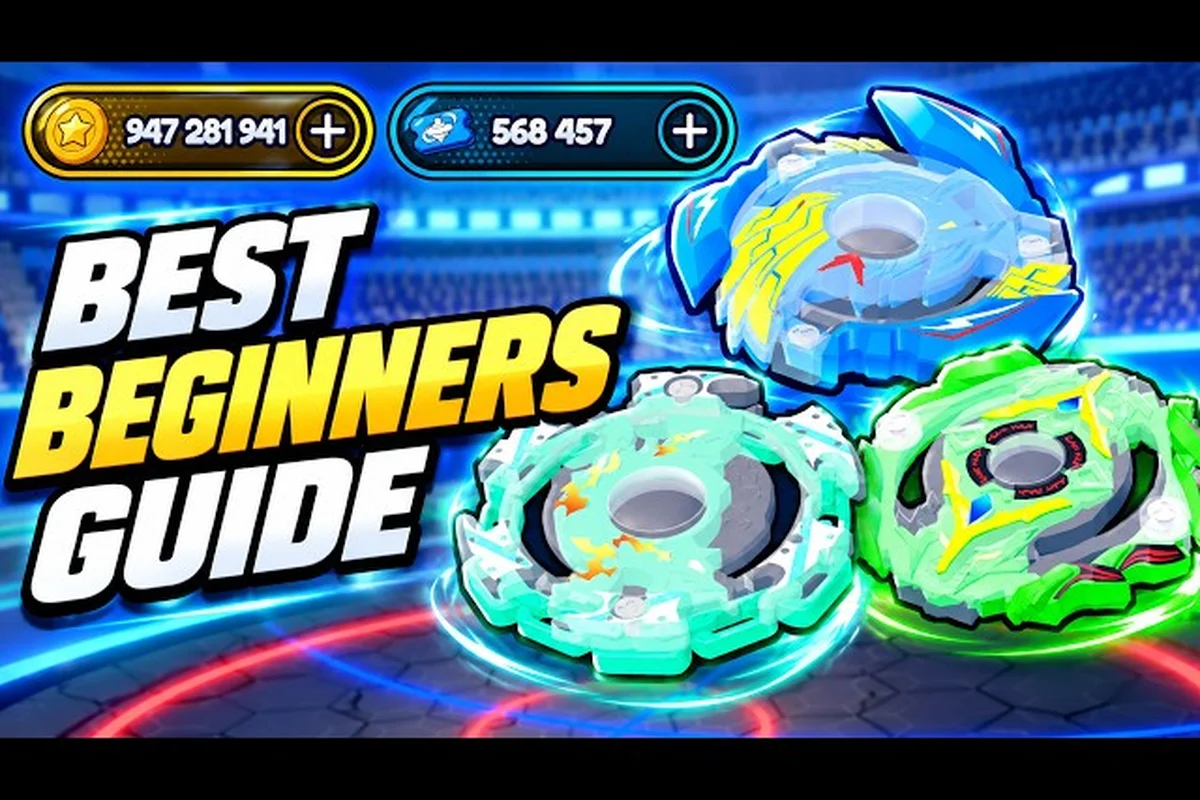
If you want to know bey rivals how to get parts, the answer starts with the banner spin economy: Spin Tickets, Lucky Spins, and Soul Tickets each feed a different part pool. This guide breaks down where parts drop, how rarities work, and how to read stats before you commit a slot.
Where Parts Come From in Bey Rivals
Every part in the game enters your inventory through one of a few channels, and each channel has a different cost and a different ceiling on quality. Understanding the split matters because spending Lucky Spins on a pool you could have farmed with Spin Tickets is the fastest way to stall your progression.
The core loop works like this: you battle, you earn Bey Points (BP), and BP converts into tickets that roll parts. The game launched in the October 2026 window, so the pools are still shifting with each balance patch — according to community reports, banner rotation changes which parts are obtainable week to week.
Here is how the main acquisition channels compare: Banner spins run on Spin Tickets and feed the general part pool, making them the default sink for everyday rolls; Lucky Spins are the scarce premium currency, so the community consensus is to bank them for rate-up windows rather than burn them on a standard pool you could already farm. Soul Tickets only drop during promo windows and gate limited/seasonal parts, battle rewards pay out in BP plus occasional drops with no ticket cost at all, and Autosell quietly converts duplicate parts so your inventory never clogs.
| Source | Currency | Best For | Notes |
|---|---|---|---|
| Banner spins | Spin Tickets | General part pool | Main source of most parts |
| Lucky Spins | Premium rolls | Chasing high rarity | Scarce, save for rate-ups |
| Soul Tickets | Event currency | Limited/seasonal parts | Tied to promo windows |
| Battle rewards | BP + drops | Steady grinding | Slow but consistent |
| Autosell | Duplicate parts | Inventory protection | Converts dupes automatically |
The banner part pool is where the majority of your collection will come from, and returning parts rotate back in over time. Seasonal banners — like the Halloween-style event window the game is currently running — add limited-event parts that stay equippable even after the banner leaves, which is why community guides treat event windows as a priority.
Battle rewards deserve a mention because they are the only channel that never runs dry. You do not need tickets to grind BP, and BP is the currency that ultimately buys more rolls. That makes consistent battling the backbone of any long-term part strategy, even if the per-battle drop rate feels slow compared to a lucky spin.
Spin Tickets vs Lucky Spins
Spin Tickets are your bread-and-butter roll currency. They are common enough that you can pull regularly, and the pool they access covers the standard part range. Lucky Spins are the scarce resource, and the temptation to burn them immediately is real — but the smart play is to hold them for a banner that actually features a part type you need.
Soul Tickets sit in a third lane entirely. They are tied to event windows, so their value spikes during promo periods and drops to near zero between them. If you are sitting on Soul Tickets when an event banner is live, that is the moment to spend.
The Autosell Safety Net
Long rolling sessions create a flood of duplicates, and manually clearing them is miserable. The autosell rules let you set thresholds so duplicate parts that meet your criteria sell themselves, which protects your inventory during heavy grinding. Set these early — a clogged inventory makes it harder to spot the one part you actually wanted.
Understanding Part Rarities and What They Mean
Part rarities scale from Common through Epic, Legendary, and Mythic, and the general rule is that higher-rarity parts carry stronger base stats. That said, rarity is a player-usage label in most cases rather than an officially published tier — the game does not hand out a numerical tier list, so builds rely on community-tested values.
The practical takeaway is that rarity tells you the ceiling, not the fit. A Legendary Attack part is wasted on a Stamina-oriented Bey, while a well-rolled Epic that matches your type can outperform it in actual clashes. This is why experienced players check stats before rarity when evaluating a new pull.
| Rarity | Relative Base Stats | Typical Role | Investment Priority |
|---|---|---|---|
| Common | Lowest | Early loadouts, filler | Low — replace quickly |
| Epic | Moderate | Solid mid-game core | Medium — good bridge |
| Legendary | High | Competitive builds | High — long-term keepers |
| Mythic | Highest | Endgame chasing | Highest — build around it |
Because banner rotation controls what is even obtainable, chasing a specific Mythic outside its banner is a losing proposition. Community guides consistently recommend building around whatever high-rarity part you actually pull rather than holding out for a theoretical perfect roll.
Why Rarity Alone Misleads
A part's rarity sets its stat range, but the roll within that range is what you feel in battle. Two Legendary parts of the same type can perform noticeably differently depending on how their stats landed, which is exactly why the inventory shows stats and quality side by side. Reading both numbers before equipping saves you from a loadout that looks impressive on paper and loses in the arena.
Seasonal and Limited Parts
Limited-event parts are the exception to the "rarity is usage" rule because their availability is genuinely restricted. Once a seasonal banner closes, that part may not return for a long time — but it stays equippable, so a lucky pull during an event window is a permanent addition to your options. If you want the full picture of how parts fit into a broader progression plan, the beginner guide walks through the early-game priorities that make later rolls more valuable.
Reading Part Stats Like a Pro
Part stats are the numbers that actually decide clashes, and the game surfaces them directly in your inventory. There is no official published formula, so what follows reflects how the community reads those values rather than a developer-confirmed breakdown.
The four part types map to four stat profiles. Attack parts push aggressive burst pressure, Defense parts trade offense for durability, Stamina parts extend spin time, and Balance parts split the difference. Your Bey's identity comes from how these four rolling parts combine, which is why a build is really a stat-shaping decision.
| Part Type | Primary Strength | Weakness | Wins By |
|---|---|---|---|
| Attack | Burst pressure | Fragile spin | Ring-out / burst |
| Defense | Durability | Low offense | Outlasting |
| Stamina | Long spin | Slow pressure | Spin-out |
| Balance | Hybrid stats | Master of none | Adapting |
Combat results follow burst-style rules: a Bey that burst-pops or gets knocked out of the ring loses the clash. That single rule explains why Attack builds chase early finishes and why Stamina builds are happy to drag a match out. If your Bey survives longer than your opponent's, you win by default.
Reading Quality Alongside Stats
Stats tell you what a part does; quality tells you how well it does it. The inventory displays both, and the combination is what you should weigh when comparing two parts of the same type. A high-stat, low-quality part may still be worth equipping short-term, but it is a placeholder rather than a keeper.
Traits and Surnames Change the Math
The Trait Lab adds traits that change how a part behaves, and surnames act as family-line modifiers that grant buffs independent of part stats and rarity. Community reports describe these as separate systems layered on top of your loadout, so a part that looks mediocre on raw stats can become valuable once a trait or surname buff is applied. The surname buffs breakdown covers how those modifiers stack with your part choices.
Building a Loadout That Actually Wins
A build combines four rolling parts plus a Bey identity, and the goal is coherence rather than raw rarity. Meta-build videos in the community tend to pair attack-type drivers with high-attack layers to force burst finishes, but that is one archetype among several — the right build depends on what you have pulled.
Start by picking a direction. If your best parts skew Attack, lean into burst pressure and accept the fragility. If they skew Stamina or Defense, build a Bey that wins by not losing. Mixing a high-Attack layer with a Stamina driver usually produces a Bey that does neither job well.
Here is a practical order of operations for assembling a loadout: first identify your strongest part by type rather than rarity label, since a common Attack layer with high burst pressure can outperform a rarer Stamina layer in the wrong slot. Then match the driver to that type so the stats reinforce each other — pairing an Attack layer with an Attack driver stacks burst potential, while mismatched pairings dilute both. Check traits and surnames for buffs that complement the direction, then test in real battles rather than trusting the stat screen in isolation, because launch power and spin-steal behavior only show up under live conditions. Swap one part at a time so you can tell what actually changed, and lean on the budget build approach as a template for winning with early parts before spending Lucky Spins on upgrades.
-
Identify your strongest part by type, not by rarity label alone.
-
Match the driver to that type so the stats reinforce each other.
-
Check traits and surnames for buffs that complement the direction.
-
Test in real battles rather than trusting the stat screen in isolation.
-
Swap one part at a time so you can tell what actually changed.
The budget build approach is a good template here, because it shows how common and early parts can win reliably without burning scarce Lucky Spins. That mindset — win with what you have, upgrade when a clear improvement appears — keeps your resources pointed at parts that will still matter next patch.
When to Replace a Part
Replace a part when a new pull beats it on the stat that matters for your archetype, not simply when a higher rarity shows up. A Defense build does not care that a Mythic Attack part has bigger numbers if equipping it breaks the durability that wins its matches. Judge every swap against your build's win condition.
Adapting to Balance Patches
Frequent balance patches and event codes mean the meta shifts quickly, so a build that dominated last week may need a tweak after an update. Treat your loadout as a living setup: re-check stats after major patches, and keep an eye on which banners are live so you know what is realistically obtainable. If you are still expanding your Bey roster alongside your parts, the Bey unlock and upgrade guide explains how new Beys and evolutions interact with the parts you collect.
How to Get Good Parts Without Wasting Resources
Getting good parts in Bey Rivals is less about luck and more about discipline with scarce currencies like Lucky Spins and BP. The players who consistently field strong loadouts treat Lucky Spins as a rate-up resource rather than a generic-pool gamble, and they grind BP steadily in between to keep their roll supply topped up. That habit matters because part rarities and part stats are fixed per banner pool — a rate-up featuring the exact part type your build needs (say, a Defense-heavy Stamina layer) converts each spin into a far higher expected value than three random pulls on a mixed pool. Grinding BP isn't busywork either; it's the engine that funds those targeted rolls, so the payoff compounds the longer you hold rather than spend.
The biggest mistake is spending premium rolls the moment you have them. Lucky Spins are scarce, and a rate-up banner featuring a part type your build needs is worth far more than three random pulls on a generic pool. Patience converts directly into better parts.
A second mistake is ignoring the free channels. Battle rewards and BP grinding never stop producing, and they fund the rolls that eventually land something great. Treat grinding as the engine and spins as the payoff. Concretely, that means clearing your daily and weekly battle objectives even on days when your current loadout feels stale — the BP you bank there is what lets you pull hard the moment a rate-up banner rotates in a part type your build actually needs, like a Defense-heavy Stamina layer or a high-attack Balance blade. Skipping that grind forces you to spend Lucky Spins on whatever banner happens to be live, which is exactly how players end up with mismatched parts and wasted slots.
| Discipline Habit | What It Protects | Payoff |
|---|---|---|
| Hold Lucky Spins for rate-ups | Premium currency | Higher-value pulls |
| Set autosell thresholds | Inventory clarity | Faster part triage |
| Grind BP consistently | Roll supply | Steady banner access |
| Check stats before equipping | Build coherence | Fewer wasted slots |
Finally, keep your inventory honest. Autosell clears the noise, but you still need to review what survives and confirm it fits your direction. A clean inventory makes it obvious when a genuinely good part lands, and that clarity is worth more than any single lucky roll.
Frequently Asked Questions
How do you get parts in Bey Rivals?
Parts come from banner spins using Spin Tickets, Lucky Spins, and Soul Tickets, plus battle rewards and BP grinding. Banner parts are the main pool, returning parts rotate back in over time, and seasonal banners add limited-event parts during promo windows. Autosell handles duplicates automatically.
What are the part rarities in Bey Rivals?
Rarities scale from Common through Epic, Legendary, and Mythic. Higher-rarity parts generally carry stronger base stats, but rarity is largely a player-usage label rather than an officially published tier. Community-tested values matter more than the label when you are choosing what to equip.
How do part stats work in Bey Rivals?
Part stats are shown in your inventory and map to four types: Attack for burst pressure, Defense for durability, Stamina for long spin, and Balance for hybrid performance. There is no official published formula, so builds rely on community-tested values and in-battle testing rather than a fixed stat table.
Should I spend Lucky Spins right away?
No. Lucky Spins are scarce, so holding them for a rate-up banner that features a part type your build needs gives far better value than random pulls on a generic pool. Grind BP and use Spin Tickets for everyday rolls while you wait for the right banner.
What is the fastest way to get good parts?
Combine steady BP grinding with disciplined Lucky Spin spending. Set autosell thresholds to keep your inventory clean, check stats and quality before equipping anything, and build around the strongest part you actually pull rather than chasing a theoretical perfect roll outside its banner.